
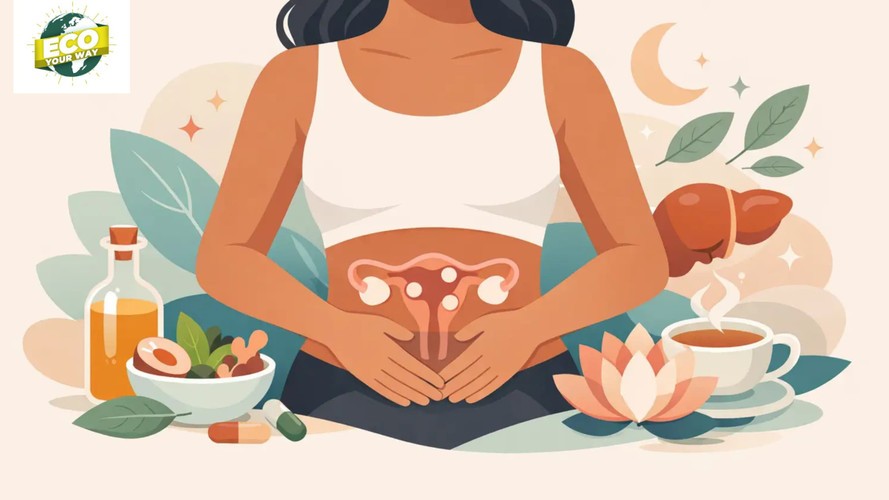
How to Support Fibroids Naturally
Apr 16th 2026
If you have been told to just watch and wait while dealing with heavy bleeding, pelvic pressure, fatigue, or cycles that seem to run your life, you are not overreacting. Learning how to support fibroids naturally is often less about finding one magic fix and more about giving your body steadier daily support in ways that actually fit real life.
Fibroids are common, but common does not mean easy. They can affect bleeding, energy, digestion, sleep, mood, and day-to-day comfort. Natural support is not a replacement for medical care, especially if symptoms are severe, worsening, or affecting fertility. But it can be a meaningful way to reduce strain on your body, improve resilience, and feel less stuck while you figure out your next step.
If you are not fully sure whether fibroids are the only issue, or whether your symptoms may overlap with other hormone concerns, start with the Eco Your Way quiz at https://ecoyourway.com/quiz/. For many women, that kind of structured starting point matters because misdiagnosis and symptom overlap are real.
What natural fibroid support actually means
When women search how to support fibroids naturally, they are often looking for relief that feels doable, not another extreme protocol. Natural support usually focuses on the systems that influence inflammation, estrogen metabolism, blood sugar regulation, stress load, and recovery capacity. In practice, that means your food patterns, movement, sleep, and nervous system all matter.
This is where a grounded framework helps. Instead of trying ten things at once, think in terms of NERS - Nutrition, Exercise, Rest, and Stress Management. That approach gives you somewhere to begin without asking you to become perfect overnight.
The goal is not to promise that fibroids will disappear with lifestyle changes. Sometimes they shrink, sometimes symptoms improve even if the fibroids remain, and sometimes medical treatment is still necessary. Supportive habits are still worth building because they can help your body cope better and can improve how you feel in the process.
Nutrition habits that help support fibroids naturally
Food does not have to be flawless to be helpful. For most women with fibroids, a supportive nutrition approach starts with consistency, not restriction. Heavy bleeding can leave you depleted, so meals that stabilize energy and provide iron-rich nutrients are often more useful than aggressive detox plans.
Focus on building simple meals around fiber, protein, healthy fats, and colorful produce. Fiber matters because it supports digestion and estrogen clearance. Protein helps with blood sugar steadiness and can reduce the crash-and-crave cycle that makes symptoms feel worse. Colorful produce brings antioxidants that support the body under inflammatory stress.
If bleeding is heavy, iron-rich foods deserve extra attention. That can include lean red meat if you eat it, lentils, beans, spinach, pumpkin seeds, and iron-fortified options. Pairing plant-based iron with vitamin C-rich foods can help absorption. If you suspect iron deficiency, ask your provider for labs rather than guessing, because low ferritin can quietly contribute to exhaustion, dizziness, and shortness of breath.
It also helps to look at what may be increasing strain. For some women, regular alcohol, heavily processed foods, or high added sugar intake seem to make bloating, inflammation, and cycle symptoms feel worse. That does not mean never having them again. It means noticing patterns and lowering the frequency if your body clearly responds.
There is also nuance here. Some women do well increasing cruciferous vegetables like broccoli, cabbage, and cauliflower because these foods support healthy estrogen metabolism. Others have digestive sensitivity and need to prepare them more gently. Support should feel sustainable, not punishing.
Exercise and circulation support
Movement can be tricky with fibroids. If you are dealing with pain, pressure, or heavy bleeding, a hard workout plan may feel impossible. That does not mean exercise is off the table. It means your body may need a more strategic version of it.
Moderate, regular movement supports circulation, insulin sensitivity, mood, and inflammation. Walking, gentle strength training, Pilates, mobility work, and low-impact cardio are often a strong place to start. The best plan is usually the one you can repeat, especially during different phases of your cycle.
Strength training deserves a special mention because it helps metabolic health and overall resilience. You do not need intense sessions to benefit. Two or three manageable sessions per week can be enough to support your body without overloading it.
At the same time, more is not always better. If intense training leaves you wired, exhausted, or more inflamed, that is useful information. Women with hormone-related symptoms are often told to push harder when what they actually need is a smarter rhythm.
Rest is not optional when you have fibroids
Poor sleep and chronic fatigue can make every symptom feel louder. If fibroids are contributing to pain, frequent urination, anxiety, or anemia-related exhaustion, your body may already be operating with limited reserves. That is why rest belongs in the conversation.
Supporting sleep does not have to be complicated. A consistent bedtime, less screen exposure late at night, a darker sleep space, and reducing stimulants later in the day can all help. If nighttime symptoms are waking you up, that is not something to minimize. It is a signal that your body needs more support, and sometimes more medical evaluation too.
Rest also means giving yourself recovery time during heavy bleeding days or flare-ups. Many women have been conditioned to override what their body is saying. But pushing through everything can backfire when your system is already under pressure.
Stress management and fibroid symptoms
Stress does not cause fibroids in a simple one-to-one way, but chronic stress can absolutely shape how symptoms feel and how supported your body is overall. When your nervous system stays activated, sleep gets lighter, cravings climb, inflammation can rise, and recovery gets harder.
That is why stress management should be practical, not performative. You do not need a perfect morning routine to benefit. Even short, repeatable practices can help regulate your system. That might look like five minutes of deep breathing before bed, a phone-free walk, journaling after a hard day, or taking pauses before meals so your body is not constantly eating in a stressed state.
For women who feel alone with all of this, support matters too. Information helps, but implementation is where change happens. The NERS Skool community is designed to be the action place, where women practice Nutrition, Exercise, Rest, and Stress Management together instead of being left to figure everything out on their own.
How to support fibroids naturally without doing everything at once
One reason natural support fails is not lack of effort. It is overload. When you are already tired, in pain, or emotionally worn down, trying to overhaul your diet, start a new workout plan, fix your sleep, and manage stress perfectly at the same time can become one more thing that drains you.
A better approach is to choose one anchor habit in each NERS category. That could mean adding protein to breakfast, walking for 20 minutes three times a week, going to bed 30 minutes earlier, and doing a short calming practice once a day. Those habits may sound simple, but simple is often what becomes consistent.
Then watch your body. Are your energy levels steadier? Is bloating easing? Are you sleeping better? Is your cycle still very heavy or becoming unmanageable? The answers help you adjust without getting lost in conflicting advice.
When natural support needs medical backup
This matters. Natural strategies can be supportive, but they are not a reason to ignore red flags. If you are soaking through pads or tampons quickly, passing large clots, feeling faint, struggling with severe pain, noticing rapid symptom changes, or having fertility concerns, get evaluated. Fibroids vary by size, number, and location, and those details affect what kind of support is appropriate.
The most grounded path is often both-and, not either-or. You can pursue medical guidance and still build daily habits that support your hormones, energy, and quality of life. You do not have to choose between being proactive and being practical.
If you have felt dismissed before, that can make it harder to keep seeking answers. But your symptoms are real, and you deserve support that takes them seriously. Start where you are, use structure instead of pressure, and let progress look steady enough to last.