
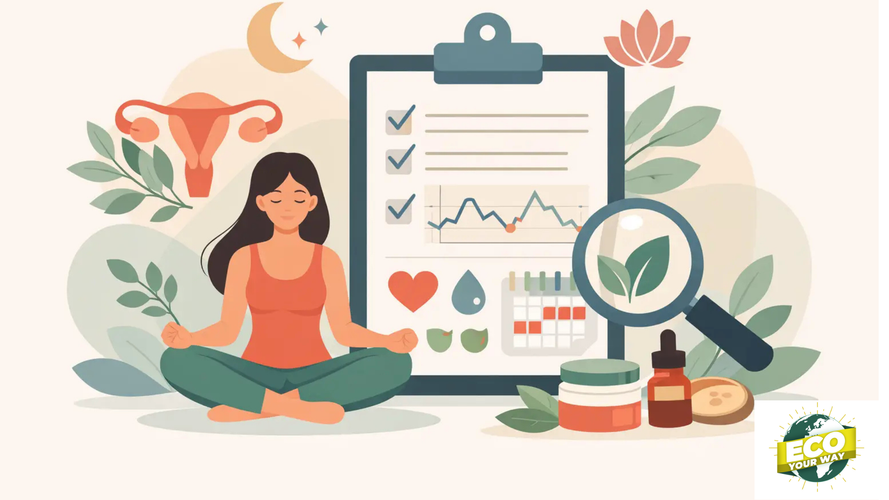
Natural PCOS Symptom Tracker That Helps
Apr 15th 2026
Some weeks, PCOS can feel impossible to explain. Your energy crashes, cravings spike, sleep gets off track, your cycle shifts again, and you are left wondering whether anything you are doing is helping. That is exactly where a natural PCOS symptom tracker can make a real difference. It gives you a way to stop guessing, start noticing patterns, and make grounded decisions without turning your life into a full-time wellness project.
For many women, the hardest part is not a lack of effort. It is trying to make sense of symptoms that seem to change without warning. If you have ever felt dismissed, misdiagnosed, or told to just lose weight and come back later, you are not imagining the frustration. PCOS is complex, and your body deserves more than vague advice.
What a natural PCOS symptom tracker actually does
A natural PCOS symptom tracker is not just a place to log your period. It is a simple tool for observing how your body responds to daily life, especially the habits that influence hormones over time. That includes food, movement, sleep, stress, digestion, skin changes, cravings, mood, and cycle shifts.
The word natural matters here because the goal is not rigid control. It is body awareness. A good tracker helps you connect symptoms with realistic, supportive actions like eating more consistently, reducing stress load, improving sleep quality, or noticing when intense exercise leaves you more drained than energized. You are looking for patterns, not perfection.
This matters with PCOS because symptoms often overlap. Fatigue might relate to poor sleep, blood sugar swings, chronic stress, inflammation, under-eating, or all of the above. Breakouts may flare around certain cycle changes, but they can also worsen when stress rises or meals become irregular. Tracking helps you see what is happening in your real life instead of relying on generic advice.
Why tracking matters when you want a natural approach
Natural support for PCOS often works best when it is consistent, not extreme. That is where many women get stuck. They try a supplement, a strict meal plan, or an exercise challenge for two weeks, then quit because it feels unsustainable or because they cannot tell whether it is helping.
Tracking gives your efforts context. If you are working on balancing meals, walking more often, getting to bed earlier, or calming your nervous system, you need a way to measure change beyond the scale. A lighter period, fewer afternoon crashes, steadier mood, reduced bloating, or improved sleep are all signs that your body may be responding, even if progress feels slow.
This also helps protect you from all-or-nothing thinking. When you can see that symptoms improve with a few steady habits, you are less likely to abandon everything after one stressful week. PCOS support is rarely linear. A tracker helps you stay anchored when your body feels unpredictable.
What to include in your natural PCOS symptom tracker
The best tracker is one you will actually use. It does not need to be complicated. In fact, if it asks too much from you, it often becomes one more thing to avoid.
Start with the symptoms and rhythms that tend to affect your daily life most. For many women, that includes cycle length, spotting, period flow, cramps, acne, facial hair growth, headaches, mood changes, sleep quality, bowel habits, bloating, energy levels, cravings, and appetite. You may also want to note whether you exercised, how intense it felt, whether meals were balanced, and how stressed you felt that day.
If that sounds like a lot, scale it down. Choose five to eight areas that feel most relevant right now. The goal is not to capture every possible detail. The goal is to create enough visibility that you can spot useful patterns over time.
The most helpful categories to watch
For a lot of women with PCOS, four areas tend to reveal the clearest patterns: nutrition, exercise, rest, and stress management. These are the same daily levers that often shape hormone symptoms most consistently.
Nutrition tracking does not have to mean counting calories or tracking every bite. It can be as simple as noting whether you ate regular meals, included protein, or had long gaps without food. Exercise can be tracked by type, intensity, and how you felt afterward. Rest includes sleep length, sleep quality, and whether you woke up restored or exhausted. Stress management might cover anxiety, mental overload, emotional triggers, or whether you took even ten minutes to regulate your nervous system.
This kind of structure is practical because it connects symptoms to habits you can actually adjust.
How to use your tracker without becoming obsessive
A tracker should support you, not control you. If you have a history of feeling overwhelmed by health routines, this part matters.
Keep your check-in brief. Two to five minutes a day is enough for most people. Use simple ratings if that feels easier, like energy from 1 to 5 or stress from low to high. Write short notes only when something stands out, such as a missed period, intense cravings, poor sleep, or unusual pain.
It also helps to review your notes weekly instead of reacting to one difficult day. One bad night of sleep does not always mean much. A pattern of bad sleep followed by cravings, low mood, and irregular bleeding tells you more. PCOS is often about trends, not isolated moments.
And if daily tracking feels like too much, try three times a week. Consistency beats intensity here too.
When a natural PCOS symptom tracker can reveal your next step
Tracking does not replace medical care, but it can help you know what questions to ask and what changes to prioritize. If you notice your symptoms spike after poor sleep, rest may need more attention than another supplement. If high-intensity workouts leave you wired, starving, or exhausted, your body may respond better to gentler movement for a season. If long stretches without eating lead to cravings and crashes, meal timing may be part of the picture.
This is also why a symptom quiz can be such a helpful starting point, especially for women who suspect they have been misread or misdiagnosed. If you are not sure what your symptom pattern is really pointing to, begin with the Eco Your Way Quiz. It can help you describe what you are experiencing more clearly and point you toward support that actually fits.
A natural PCOS symptom tracker works better with support
Information alone is rarely enough. Many women know what they should do in theory. The challenge is doing it consistently when life is full, energy is low, and symptoms keep changing.
That is why action-based support matters. Learning about nutrition, exercise, rest, and stress management is useful, but practice is what creates momentum. In the NERS Skool community, women do not just collect information and get left to figure it out alone. They put those daily rhythms into practice together, which makes the process feel more doable and far less isolating.
If you have spent a long time trying to piece together your own answers, that kind of structure can be a relief. You do not have to stay stuck in research mode.
What tracking can and cannot tell you
A tracker can show patterns, triggers, and progress markers that might otherwise get missed. It can help you advocate for yourself, make more informed choices, and notice early signs that your body needs support. It can also remind you that your symptoms are real, even if they are inconsistent.
What it cannot do is diagnose everything on its own. Some symptoms that look like PCOS can overlap with thyroid issues, perimenopause, high stress, insulin concerns, or other hormone imbalances. That is one reason tracking is so valuable - it gives you better language and clearer data if you need professional care.
And sometimes the truth is simple: the best next step is not doing more. It may be doing less, but doing it more consistently. A calmer breakfast routine, regular walks, earlier nights, and a realistic stress reset will never look dramatic on social media, but those habits often create the kind of foundation hormones respond to.
Your body is not failing you. It is giving signals, even if they have been hard to read. A natural PCOS symptom tracker helps you listen with more clarity, more compassion, and a lot less chaos.